
Are you ready to hit the road with a smooth, seamless drive? Buckle up and prepare for an asphalt adventure as we explore the wonders of laying tarmac in just one layer.
No more bumps or cracks to slow you down! In this article, we’ll navigate the benefits, factors to consider, and provide a step-by-step guide for successful single-layer tarmac installation.
So, gear up and get ready to pave your way towards driving perfection.
Benefits of Single-Layer Tarmac Installation
You’ll find that there are several benefits to opting for a single-layer tarmac installation.
One of the main advantages is that it provides a cost-effective solution for your surfacing needs. By using a single layer, you can save on materials and labour costs compared to multi-layer installations.
Additionally, single-layer tarmac offers long-term durability. The thickness of the tarmac is carefully designed to withstand heavy traffic and adverse weather conditions without compromising its structural integrity.
This ensures that your surface will last for years with minimal maintenance required.
Moreover, the smooth finish of single-layer tarmac not only enhances the aesthetic appeal but also improves safety by providing better traction for vehicles and pedestrians alike.

Overall, choosing a single-layer tarmac installation is an excellent choice for achieving both cost-effectiveness and long-term durability in your surfacing project.
Factors to Consider for One-Layer Tarmac Projects
When opting for a single-layer tarmac project, it’s important to consider various factors. Here are some key points to keep in mind:
– Cost implications of one layer tarmac projects:
- Single-layer tarmac installations tend to be more cost-effective compared to multi-layer projects.
- The reduced number of layers means less material and labour costs.
– Environmental impact of single layer tarmac installation:
- One layer tarmac projects result in lower carbon emissions due to the decreased use of materials.
- Less waste is generated during construction, reducing landfill impact.
Considering these factors can help you make an informed decision when choosing a single-layer tarmac project. By weighing the cost implications and environmental impact, you can determine if this option aligns with your budget and sustainability goals.
Step-by-Step Guide to Laying Tarmac in a Single Layer
To begin the process of laying tarmac in a single layer, it’s essential to prepare the base properly. This involves clearing the area of any vegetation, debris, or loose soil. Once the base is cleared, it should be compacted using a roller or compactor to ensure stability and prevent future settlement.
After preparing the base, the next step is to determine the appropriate thickness for your one-layer tarmac project. The recommended thickness for a single layer of tarmac is typically around 2 inches (5 cm). However, this may vary depending on factors such as expected traffic load and climate conditions.
When considering the cost of laying tarmac in a single layer, you must take into account various factors including materials, labour, equipment rental, and any additional services required like excavation or drainage installation. Can You Lay Tarmac Over Old Tarmac?
Table: Factors Affecting Cost of Single Layer Tarmac
| Factors | Description |
|---|---|
| Materials | Includes asphalt mix and any additives or stabilisers |
| Labour | Cost for skilled workers involved in tarmac laying |
| Equipment | Rental fees for machinery used during construction |
| Additional Services | Excavation or drainage installation costs |
Tips and Best practices for Successful One-Layer Tarmac Applications

For successful one-layer tarmac applications, it’s important to consider tips and best practices.
Here are some key points to keep in mind:
– Preparation:
- Ensure the ground is properly compacted and levelled.
- Apply a tack coat to enhance adhesion between layers.
– Application:
- Use the correct mix design for your specific project requirements.
- Maintain a consistent thickness throughout the application process.
Common mistakes to avoid include:
- Insufficient compaction, leading to premature deterioration.
- Inadequate curing time, resulting in a weaker surface.
To ensure long-lasting results, follow these maintenance tips:
- Regularly inspect for cracks or potholes and promptly repair them.
- Keep the surface clean from debris and regularly sweep or power wash it.
Conclusion
In conclusion, laying tarmac in one layer offers numerous benefits such as time and cost savings. However, it is crucial to consider factors like weather conditions and surface preparation before embarking on a single-layer tarmac project.
By following a step-by-step guide and implementing best practices, you can ensure a successful application. So, whether you’re a professional contractor or a DIY enthusiast, remember that mastering the art of one-layer tarmac installation will elevate your paving projects to new heights of efficiency and durability.
Call us to get a price quote on a tarmac. Contact us today on 07595 510190 to receive a free quote or visit our website.
When Should You Not Lay Tarmac?
Are you considering a tarmac driveway installation? Before you go ahead with the project, it’s important to know the ideal conditions for laying tarmac. The weather

What Is the Difference Between Red and Black Tarmac?
Welcome to our guide on tarmac driveways! Are you considering adding a touch of color to your asphalt driveway? In this article, we will explore the
Is Coloured Tarmac More Expensive Than Black?
Welcome to our blog post on tarmac driveways. If you’re considering installing a tarmac driveway, you may be wondering about the cost and whether coloured tarmac is more
{Four Simple Ways Tarmac Driveways Can Make Your Life Easier in Ilkeston.|These are 4 Easy Ways Tarmac Driveways can Make Read more
{5 Best Tarmac Driveway Designs in Ilkeston|5 Best Tarmac Driveway Design Ideas in Ilkeston|5 Best Tarmac Driveway Options in Ilkeston|5 Read more
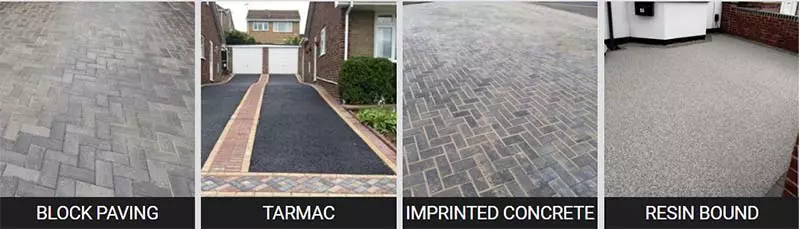
{Tarmac, Block Paving or Concrete, or Resin Bound.|Tarmac, block Paving, Concrete, Resin Bound.|Tarmac or Block Paving? Concrete or Resin Bound?|Tarmac Read more