
What is tarmac?
Asphalt and Tarmac appear identical from the surface. However, they have significant differences.
Different names are used to describe the surfaces, such as bitumen tarmac or tarmac asphalt. It doesn’t matter how the surface is named, there are several things you should consider before deciding which one to choose.
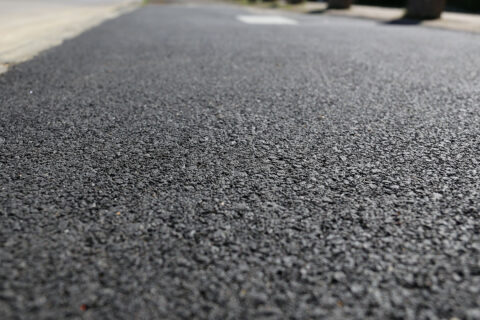
Tarmacadam or tarmacadam is a strong, long-lasting surface. Tarmac is created when crushed stone is coated in tar. Tarmac is strong and water resistant. It provides good grip, as well as a beautiful finish. It is used most often on tarmac driveways.
Today, tarmac is almost completely replaced by bitmac. This makes it less likely that petrol or diesel accidentally spills on to the asphalt.
Bitumen replaces the tar to create bitmac. This creates bitmac, which is more like asphalt. The difference between bitumen or asphalt is the higher content of filler and sand in bitmac.
Asphalt uses a more dense mix of aggregates that are bound together with bitumen. A surface created by mixing a specific blend of aggregates with bitumen to bind them.
Asphalt is a popular choice for road surfaces because it’s a cost-effective solution to large-area surfacing. For smaller surfaces, however, asphalt can be costly. Asphalt tarmac can sometimes be confused with asphalt tarmac.
Asphalt is more durable than tarmac, but asphalt is less resistant to constant scuffing from car tires.
This is another important difference to be aware of when comparing asphalt surfacing and bitmac. Asphalt is more resilient to extreme weather and requires less maintenance. This is why asphalt is the better choice than tarmac.
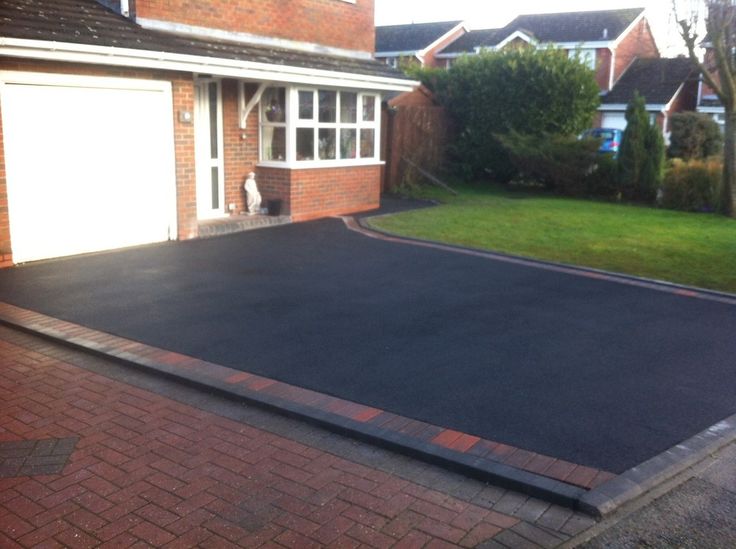
Another reason asphalt is preferred over tarmac? Asphalts are much more gentle on the environment. Asphalt can be recycled once it is worn down and used again. Remember that asphalt concrete may also be used to make driveway surfaces. This is an entirely different type.
Asphalt concrete is an asphaltic mixture with sand. This creates a tough, durable surface. These surfaces are typically more expensive and require more maintenance than asphalt or tarmac. Additionally, asphalt concrete can be more easily damaged by fluctuations in temperatures.