
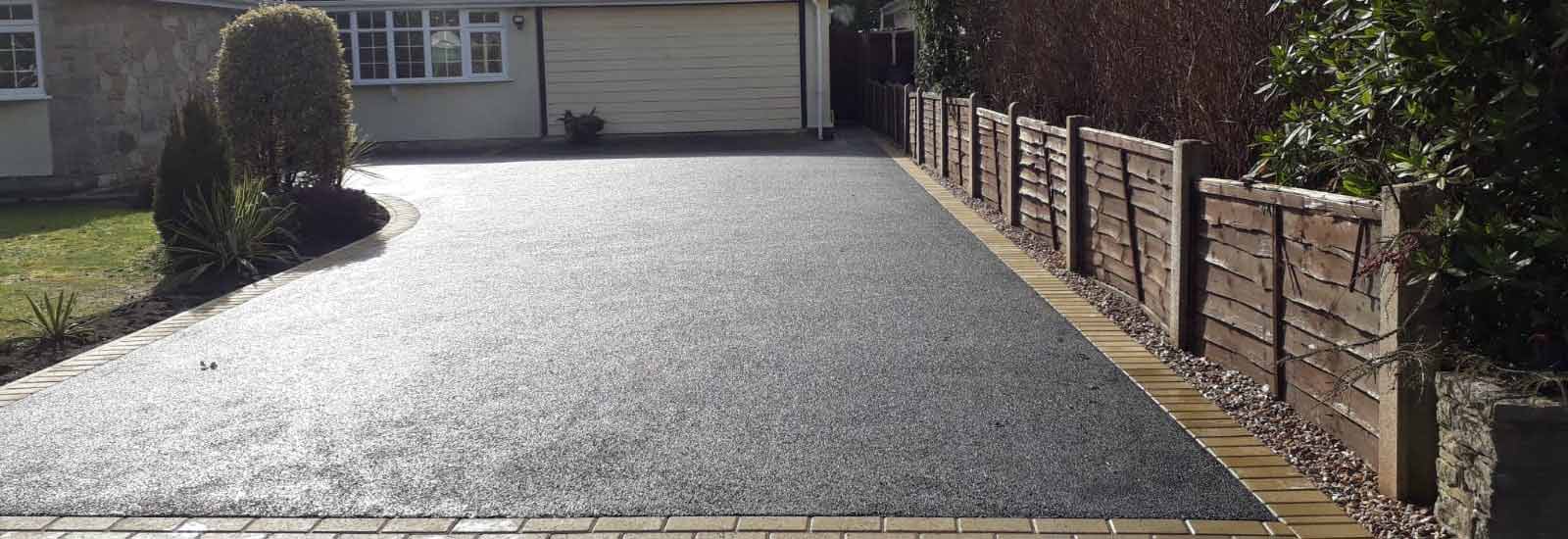
Are you wondering if you can lay tarmac in November? Well, the answer is yes, but there are a few factors to consider before embarking on this project.
The cold weather presents some challenges, but with the right techniques and precautions, successful installation is possible.
In this article, we will explore the tips and benefits of laying tarmac in November.
So grab your tools and let’s dive into the world of tarmac installation in chilly weather!
Factors to Consider Before Laying Tarmac in November
Before you lay tarmac in November, there are a few factors you should consider. The preparation process is crucial to ensure a successful outcome.
First and foremost, take into account the weather conditions during this time of year. Cold temperatures can affect the curing process of the tarmac and may lead to poor results. It is essential to monitor the forecast and choose a day with milder temperatures to proceed with the project.
Additionally, proper surface preparation is vital for optimal adhesion and durability of the tarmac. This includes clearing any debris or vegetation, repairing any cracks or potholes, and ensuring a smooth and level surface before laying down the asphalt mix.
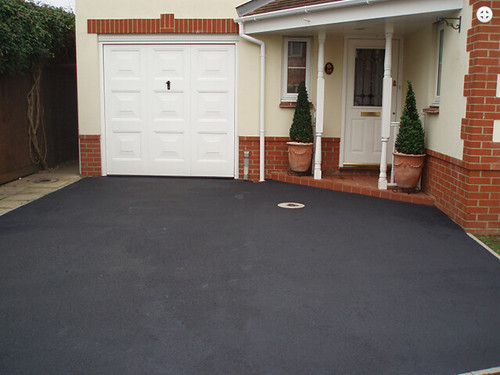
Challenges of Laying Tarmac in Cold Weather
Despite the cold weather in November, it’s challenging to lay tarmac. The low temperatures and moisture can affect the quality of the asphalt mix and make it difficult for it to bond properly. Here are four challenges you may face when laying tarmac in cold weather:
- Decreased workability: Cold temperatures cause the asphalt mix to cool quickly, reducing its workability. This makes it harder to spread and compact, resulting in a rougher surface.
- Reduced compaction: Cold weather slows down the compaction process, making it challenging to achieve the required density. This can lead to premature deterioration and structural issues.
- Longer curing time: The colder weather extends the time needed for the tarmac to cure properly, delaying traffic opening and increasing vulnerability to damage from vehicles or inclement weather.
- Increased risk of cracking: Cold temperatures cause thermal contraction in the tarmac, making it more susceptible to cracking.
To overcome these challenges, take precautions such as using warmers or additives for better workability, ensuring proper compaction techniques, allowing sufficient curing time before opening to traffic, and applying crack sealants as necessary.
Tips for Successful Tarmac Installation in November
One important tip for successful tarmac installation in November is to ensure proper compaction techniques to achieve the required density. This is crucial for winter maintenance and ensuring tarmac durability during the colder months.
Compaction involves using heavy machinery, such as a roller, to compress the freshly laid tarmac, removing any air voids and creating a strong, dense surface. It is essential to use the correct compaction equipment and techniques based on the specific project requirements and weather conditions.
In November, when temperatures may be lower, it is important to monitor the temperature of both the mix and ambient air during installation. Cold weather can affect compaction efficiency, so adjusting factors like rolling speed or using warm mix asphalt can help achieve optimal results in terms of tarmac durability during winter months.
Benefits of Laying Tarmac in November
The benefits of laying tarmac in November include increased compaction efficiency and improved durability during the winter months. When considering whether to lay tarmac in November, it is important to weigh the advantages against the disadvantages.
Advantages of laying tarmac in November:

- Efficient compaction: The colder temperatures make it easier for the hot asphalt to cool and solidify quickly, resulting in better compaction and a more stable surface.
- Increased durability: Tarmac laid in November has more time to cure before harsh winter conditions set in. This allows it to withstand freezing temperatures, snow, and ice without significant damage.
- Reduced construction delays: Since November is typically a slower season for road construction, contractors may have more availability and shorter lead times for scheduling your project.
- Cost savings: As demand decreases during this time of year, you may be able to negotiate lower prices with contractors who are looking to fill their schedules.
Disadvantages of laying tarmac in November:
- Weather challenges: While tarmac can be laid in colder temperatures, extreme weather conditions such as heavy rain or severe frost can disrupt the installation process and affect the final quality of the surface.
- Limited daylight hours: With shorter daylight hours during this time of year, planning and completing your project within a limited timeframe becomes crucial.
- Availability of materials: Some suppliers may reduce their stock levels during slower seasons, which could potentially impact the availability or quality of certain materials required for tarmac installation.
- Potential traffic disruptions: Depending on your location and the scale of your project, laying tarmac in November could cause temporary traffic disruptions that need careful management.
Conclusion
In conclusion, laying tarmac in November can be quite a daunting task. The challenges of cold weather and the potential risks involved may make you second-guess your decision.
However, fear not! With proper planning and expert guidance, this seemingly impossible feat can be achieved. Remember, the benefits of completing this project in November are immense – from shorter wait times to cost savings.
Call us to get a price quote on a tarmac. Contact us today on 07595 510190 to receive a free quote or visit our website.
More Benefits of a Tarmac Driveway for Your Bingham Home A new tarmac driveway can bring a multitude of benefits Read more
Tarmac Driveway Tips for After-Care If you treat it well, a tarmac driveway can last many years. These tips will Read more

Have you ever wondered if you can lay tarmac over old tarmac? Well, wonder no more! In this article, we Read more